

Varanasi for First-Time Elderly Visitors What Actually Helps ,Varanasi isn’t just a destination—it’s an experience that touches your soul. But let’s be honest: for first-time elderly visitors, this ancient city can feel overwhelming. The crowds, the narrow lanes, the sensory overload—it’s a lot to take in. So how do you experience the magic of Varanasi without the exhaustion? What actually helps when you’re navigating this spiritual capital for the first time in your senior years?
This guide cuts through the romanticized travel advice and gives you practical, actionable information that makes your Varanasi journey comfortable, meaningful, and memorable.
Understanding Varanasi – The Spiritual Heart of India
Why Varanasi Appeals to Senior Travelers
Varanasi, also known as Kashi or Banaras, is one of the world’s oldest continuously inhabited cities. For many elderly travelers, especially those from Hindu backgrounds, visiting Varanasi represents the fulfillment of a lifelong spiritual dream. The city sits along the sacred Ganges River, where devotees believe bathing washes away sins and dying here brings moksha—liberation from the cycle of rebirth.
But spirituality aside, what draws seniors here is the tangible connection to tradition, history, and something greater than everyday life. There’s a depth to Varanasi that photographs can’t capture and guidebooks struggle to explain.
The Reality Behind the Mystique
Varanasi for First-Time Elderly Visitors What Actually Helps ,Here’s what they don’t always tell you: Varanasi is chaotic. The streets are narrow, often unpaved, and filled with pedestrians, cows, motorcycles, and vendors. The heat can be intense. The noise levels are high. The sensory experience—incense, marigolds, cooking spices, and yes, sometimes less pleasant smells—hits you all at once.
Does this mean elderly visitors should avoid Varanasi? Absolutely not. It means you need to prepare differently than you would for a typical vacation. With the right planning, Varanasi becomes accessible, enjoyable, and deeply rewarding.
Planning Your Trip: Timing and Seasons
Best Time to Visit Varanasi for Elderly Travelers
Timing can make or break your Varanasi experience. The ideal months for elderly visitors are October through March, when temperatures range from comfortable to pleasantly cool. November and February are particularly good—you’ll find pleasant weather without the extreme cold of December-January mornings or the building heat of March.
Avoid April through September if possible. April and May bring scorching heat (often above 40°C/104°F), while the monsoon months of July through September mean humidity, flooding, and slippery ghats.
Avoiding Peak Crowds and Extreme Weather
Festival times like Dev Deepawali (usually November) or Mahashivratri (February/March) showcase Varanasi at its most spectacular—but also its most crowded. If mobility is a concern, consider visiting just before or after major festivals. You’ll still feel the energy without fighting through massive crowds on uneven terrain.
Choosing the Right Accommodation
Location Matters: Proximity vs. Peace
Should you stay right by the ghats or in a quieter area? This decision significantly impacts your experience. Staying in the old city near Assi Ghat or Dashashwamedh Ghat puts you steps from the action, but accessing these hotels often means navigating narrow lanes where vehicles can’t reach. You might need to walk with your luggage or arrange for porters.
Many elderly visitors find better value staying in areas like Cantonment or near Banaras Hindu University (BHU). These neighborhoods offer modern hotels with reliable infrastructure, parking, and easier access, while being just a 15-20 minute drive from the main ghats.
Essential Amenities for Elderly Comfort
Don’t compromise on these features:
- Reliable air conditioning and heating
- Hot water availability around the clock
- Backup power (power cuts still happen)
- Western-style toilets
- Quality mattresses (some heritage properties have very hard beds)
- In-house restaurant with familiar food options
Elevator Access and Ground Floor Rooms
Many heritage hotels in Varanasi occupy old havelis (mansions) with steep staircases and no elevators. Always confirm elevator availability or request ground-floor rooms when booking. This single detail can prevent daily exhaustion from stair-climbing.
Getting Around Varanasi Safely
Transportation Options That Work
Auto-rickshaws are everywhere, but they’re not ideal for seniors. The ride is bumpy, you need to negotiate prices, and drivers often don’t know exact locations in the maze-like old city.
Better options include:
- Hiring a private car with driver for your entire stay (₹2,000-3,000/day or roughly $25-35)
- Using app-based services like Ola or Uber when available
- Arranging hotel transportation for major outings
Hiring Private Guides and Drivers
A knowledgeable local guide transforms your Varanasi experience. They navigate the confusing lanes, handle negotiations with boatmen, explain rituals, and most importantly, pace the day according to your energy levels. Budget ₹1,500-2,500 ($18-30) for a full-day private guide.
Your hotel can usually arrange trusted guides, or you can book certified guides through the UP Tourism office.
Understanding the Ghat Terrain
The ghats—those wide stone steps leading to the Ganges—are the heart of Varanasi. But they’re also uneven, sometimes slippery, and always crowded. Most elderly visitors can manage them with care, but if you use a walking aid, some ghats are more accessible than others (we’ll cover this later).
Health and Safety Precautions
Medical Facilities and Pharmacies
Varanasi has several reputable hospitals including Heritage Hospital, Shiv Prasad Gupta Hospital (SPGH), and facilities near BHU. Keep their contact information handy. Pharmacies are plentiful, but bring adequate supplies of any prescription medications—don’t rely on finding the exact brand you need.
Food Safety and Dietary Considerations
The famous Banarasi street food is tempting, but it’s not worth getting sick over. For elderly visitors, stick to these guidelines:
- Eat at established restaurants, not street stalls
- Drink only bottled water (check seals are intact)
- Avoid raw vegetables and salads unless you know they’re properly washed
- Choose freshly cooked, hot food
- Peel fruits yourself
Many hotels offer familiar South Indian, North Indian, or Continental options that are both safe and delicious.
Staying Hydrated in Varanasi’s Climate
Even in winter, Varanasi’s dry climate can dehydrate you quickly. Carry water everywhere, sip regularly, and watch for signs of dehydration like dizziness or dark urine. Your body needs more water than you think, especially if you’re walking around the ghats.
Must-See Experiences Without the Overwhelm
The Ganga Aarti: Viewing Options for Comfort
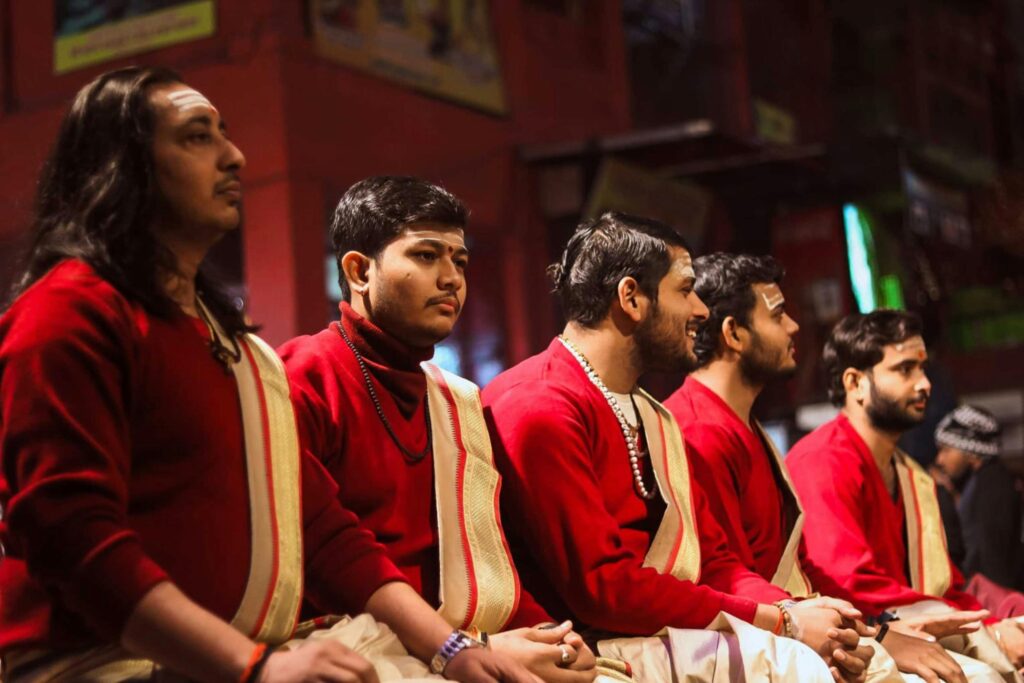
The evening Ganga Aarti at Dashashwamedh Ghat is Varanasi’s most famous spectacle—priests perform synchronized rituals with fire, bells, and chants as the sun sets. But standing in the massive crowds for an hour isn’t feasible for many seniors.
Better viewing options:
- From a boat: Arrive 30 minutes before sunset, sit comfortably in a boat anchored 20 meters from the ghat, and watch from the river. Cost: ₹300-500 per person.
- From a restaurant balcony: Several restaurants overlooking Dashashwamedh Ghat offer reserved seating with dinner. Book in advance.
- Assi Ghat’s smaller aarti: Less crowded, more intimate, and equally moving. Happens around sunset daily.
Boat Rides: Morning vs. Evening
A sunrise boat ride on the Ganges is unmissable. The city wakes up along the ghats—people bathing, doing yoga, washing clothes, and performing rituals. The light is magical, the temperature pleasant, and the experience deeply peaceful.
Morning rides (starting around 5:30-6:00 AM) work better than evening ones for several reasons. The water is calmer, the atmosphere more serene, and you can return to your hotel for breakfast and rest before the midday heat.
Book through your hotel or guide rather than negotiating directly with boatmen at the ghat. Expect to pay ₹600-1,000 for a private boat (1-5 people) for a 90-minute ride.
Temple Visits That Are Accessible
The Kashi Vishwanath Temple is Varanasi’s most sacred shrine, but it involves crowds, security checks, and considerable walking. The new Kashi Vishwanath Corridor has improved access dramatically, but it’s still intense.
Consider also visiting:
- Sankat Mochan Hanuman Temple: Easier to access, peaceful atmosphere
- Durga Temple: Lovely architecture, manageable crowds
- Tulsi Manas Temple: Beautiful marble construction, relatively modern and accessible
- New Vishwanath Temple (BHU): Spacious, well-maintained, easier navigation
Which Ghats Are Most Accessible
Not all ghats are created equal in terms of accessibility:
More Accessible:
- Assi Ghat: Wider steps, less congested, nearby parking
- Dashashwamedh Ghat: Main ghat with relatively better pathways
- Raj Ghat: Northern end, quieter, easier access
More Challenging:
- Manikarnika Ghat: The main cremation ghat is crowded and emotionally intense
- Harishchandra Ghat: Another cremation ghat with difficult terrain
- Smaller ghats: Often poorly maintained with very steep or broken steps
Walking Aids and Mobility Support
If you use a cane, bring it. The uneven surfaces make it essential. Wheelchairs and walkers are extremely difficult in the old city due to narrow lanes and steps. Some visitors arrange for a companion or porter to provide arm support when navigating challenging areas.
Don’t feel pressured to see every ghat. Choose two or three that interest you most, visit them at different times of day, and absorb the atmosphere rather than rushing through a checklist.
Cultural Sensitivity and Dress Code
What to Wear for Comfort and Respect
Varanasi is conservative. Comfortable, modest clothing works best:
- Loose cotton pants or long skirts
- Long-sleeved shirts or kurtas
- Comfortable closed-toe walking shoes with good grip
- A light shawl or scarf (useful for temple visits and cool mornings)
- Hat or cap for sun protection
Remove shoes before entering temples. Many ghats have shoe-keepers charging ₹10-20, or carry a cloth bag for your shoes.
Photography Etiquette
Cremation ghats are sacred spaces. Photography is generally prohibited at Manikarnika and Harishchandra Ghats and attempting it is deeply disrespectful. At other locations, ask permission before photographing people, especially during religious activities. A smile and gesture go a long way.
Practical Tips That Make a Difference
Managing Expectations About Cleanliness
Let’s address this directly: parts of Varanasi aren’t clean by Western standards. The old city has open drains, and the Ganges itself is polluted. This reality troubles many visitors. However, major ghats undergo regular cleaning, and the new Kashi Vishwanath Corridor maintains high standards.
Focus on the spiritual and cultural richness rather than expecting Swiss-level cleanliness. If you have a sensitive immune system, be extra cautious about hand hygiene and what you touch.
Dealing with Street Vendors and Touts
Vendors and unofficial “guides” can be persistent. A firm but polite “Nahin, dhanyavaad” (No, thank you) usually works. Avoid engaging in conversations if you’re not interested, as politeness can be interpreted as willingness to buy.
Having an official guide with you significantly reduces harassment, as they run interference and locals respect their presence.
Communication Barriers and Solutions
English is widely spoken in tourist areas, but less so in the old city neighborhoods. Your hotel staff, guide, and drivers usually speak enough English to communicate effectively. Learning a few Hindi phrases shows respect and helps:
- Namaste (Hello/Goodbye)
- Dhanyavaad (Thank you)
- Kitna paisa? (How much?)
- Bahut accha (Very good)
Day Trip Options from Varanasi
Sarnath: A Peaceful Buddhist Retreat
Just 10 kilometers from Varanasi, Sarnath is where Buddha gave his first sermon after attaining enlightenment. The archaeological site, museum, and temples offer a stark contrast to Varanasi’s intensity—spacious, quiet, and contemplative.
Sarnath is elderly-friendly with well-maintained pathways, shaded areas, and facilities. A half-day trip here provides spiritual enrichment without physical strain. Go in the morning, return by lunch, and rest during the hot afternoon.
Vindhyachal and Other Nearby Destinations
Vindhyachal (about 70 km away) is an important Shakti Peeth pilgrimage site. The journey and temple visits require more stamina, so assess your energy levels honestly. Other options include the village of Ramnagar across the river (home to the fort and vintage car museum) for those interested in history.
Spiritual Experiences Beyond the Ghats
Attending Temple Ceremonies
Beyond the famous Ganga Aarti, many temples conduct morning and evening pujas (worship ceremonies). These smaller, less touristy experiences often feel more personal and meaningful. Ask your guide or hotel staff about schedules at temples you’re visiting.
Finding Quiet Moments in a Busy City
Varanasi’s chaos is part of its character, but you can find peace:
- Early morning at Assi Ghat before crowds arrive
- The gardens at BHU campus
- Small temple courtyards away from main thoroughfares
- Your hotel rooftop during sunset
- A quiet corner during boat rides on the Ganges
Sometimes the most profound moments come from simply sitting, watching, and absorbing the river’s timeless flow.
Essential Packing List for Elderly Travelers
Beyond regular travel items, consider packing:
- First aid kit with basics (bandages, antiseptic, pain relievers)
- Prescription medications (double what you think you’ll need)
- Hand sanitizer and wet wipes
- Comfortable walking shoes with excellent grip
- Flashlight or headlamp (some areas have poor lighting)
- Earplugs (for noisy nights)
- Personal toilet paper or tissues
- Photocopies of important documents
- Small denominations of cash (₹10, ₹20, ₹50 notes for tips and small purchases)
- Reusable water bottle
- Sunscreen and hat
- Light rain jacket (even in winter, occasional showers happen)
Real Stories: What Elderly Visitors Wish They’d Known
Speaking with seniors who’ve visited Varanasi reveals common themes. Many wish they’d:
- Scheduled more rest days: One gentleman shared, “We tried to pack too much in. Varanasi deserves slow exploration.”
- Hired a guide from day one: Rather than trying to navigate alone initially and then getting one.
- Chosen accommodation more carefully: Location convenience matters more than heritage charm if mobility is limited.
- Prepared mentally for the intensity: “No one told me about the cremation ghats. Seeing death so openly was confronting.”
- Brought better shoes: “I wore sandals. Bad decision. My feet were filthy and the ground hurt.”
- Accepted that they wouldn’t see everything: And felt fine about it.
One 72-year-old visitor summarized it perfectly: “Varanasi isn’t about checking off sights. It’s about feeling something ancient and true. Once I stopped rushing and just sat by the river watching life unfold, everything clicked.”
Conclusion
Varanasi offers elderly first-time visitors something rare: a destination that feeds the soul while challenging the body. Yes, it requires more preparation than a beach resort or mountain retreat. Yes, the crowds, heat, and infrastructure can test your patience. But for those willing to approach it thoughtfully, Varanasi delivers experiences that resonate for a lifetime.
The key is managing expectations, prioritizing comfort over completeness, and giving yourself permission to experience Varanasi at your own pace. You don’t need to see every temple or attend every ceremony. You need to find your moments of connection—whether that’s watching the sunrise from a boat, lighting a diya at evening aarti, or simply sitting on the ghats watching the river flow as it has for millennia.
What actually helps in Varanasi? Planning smart, pacing yourself, accepting the city as it is rather than as you imagined it, and being present for the extraordinary moments that unfold when you least expect them.
Varanasi isn’t easy. But nothing truly transformative ever is.
FAQs
1. Is Varanasi safe for elderly travelers visiting alone?
Varanasi is generally safe, but elderly solo travelers should take precautions. Hire a reputable guide, use established hotels, avoid walking alone in unfamiliar areas after dark, and keep valuables secure. Many seniors visit successfully, but traveling with a companion or organized group provides additional security and support.
2. How many days should an elderly visitor spend in Varanasi?
Three to four days is ideal. This allows one day to acclimate, two days for major sights (with rest breaks), and potentially a day trip to Sarnath. Rushing through in one or two days creates unnecessary stress, while staying longer might feel repetitive given mobility limitations.
3. Can elderly visitors with heart conditions or diabetes safely visit Varanasi?
Yes, with proper precautions. Consult your doctor before traveling, bring all medications, stay hydrated, avoid extreme heat, and know the location of nearby hospitals. The city’s elevation is low, so altitude isn’t a concern. Many visitors with chronic conditions manage well by pacing themselves and listening to their bodies.
4. What’s the best way to experience the Ganges if I can’t handle boat rides?
You can experience the Ganges from ghat-side seating, restaurant balconies overlooking the river, or your hotel if it has river views. The evening aarti is powerful even when viewed from the shore. Some visitors find simply sitting on the ghats and watching the river equally meaningful as a boat ride.
5. Are there any dietary options for elderly visitors with specific requirements?
Yes, most hotels catering to tourists offer varied menus including simple, lightly spiced options. South Indian food (dosas, idlis) tends to be lighter and easier on sensitive stomachs. International hotels provide Continental breakfast options. Always communicate dietary restrictions clearly, and when in doubt, stick to simple preparations like plain rice, dal, and yogurt which are generally safe and nutritious.



Comments are closed.